Menu
If your Florida real estate license expires September 30, 2026, now is the time to check your education requirements and get them completed.
Not September 29.
Not when somebody in your office reminds you.
Now.
There are two very different education requirements that can apply to Florida real estate sales associates, and the consequences of missing the deadline are very different.
If this is your first license renewal, you generally need the 45-hour Florida Sales Associate Post-License course.
If you are past your first renewal and have a current active Florida real estate license, you generally need 14 hours of continuing education.
Here is the part I really want licensees to understand.
If you need the 14-hour continuing education and fail to properly renew by the deadline, your active license can become involuntarily inactive.
If this is your first renewal and you fail to complete the required 45-hour Sales Associate Post-License education before your license expires, your license becomes null and void.
Those are two very different consequences.
First, Check Your Florida Real Estate License Expiration Date
Florida real estate licenses generally expire on either March 31 or September 30, depending on the individual license cycle.
This article is specifically for licensees whose DBPR record shows an expiration date of September 30, 2026.
Don't assume you know your expiration date. Check your license through the Florida Department of Business and Professional Regulation.
Then determine which education requirement applies to you.
That one step can prevent a very expensive mistake.
If you are a Florida real estate sales associate approaching your first renewal after becoming licensed, you generally must complete 45 hours of approved post-license education before the expiration date on your license.
This is not the regular 14-hour continuing education course.
The first renewal is different.
And this is not a deadline you want to miss.
If you fail to complete the required 45-hour post-license education before your first renewal deadline, your sales associate license becomes null and void.
Let me put that in plain English.
You do not simply become inactive and take your 45-hour course later.
You lose the license.
If you want to become licensed again, you generally have to start the licensing process over, including completing the required pre-license education and passing the state licensing examination again.
Think about everything you did to earn that license in the first place.
You took the course. You studied. You applied. You completed your fingerprints and background requirements. You passed the state exam.
Why risk doing all of that again because you waited too long to complete your 45-hour post-license education?
Already Past Your First Renewal? You Generally Need 14 Hours of Continuing Education
If you have already completed your first renewal and your current active Florida real estate license expires September 30, you generally fall under the regular 14-hour continuing education requirement.
The 14 hours consist of 3 hours of Core Law, 3 hours of Ethics and Business Practices, and 8 hours of specialty education.
You must also satisfy the applicable DBPR renewal requirements and renewal fee by the deadline.
If a current active licensee fails to properly renew, the license can revert to involuntarily inactive status.
That is different from the first-renewal 45-hour situation.
Your license does not immediately become null and void, but you cannot simply continue conducting licensed real estate activity as though nothing happened.
That is not where an actively practicing real estate professional wants to be.
This is much easier to handle before September 30 than after it.
Don't Confuse the 14-Hour CE Course With the 45-Hour Post-License Course
This may be the most important part of this entire article.
I don't want somebody saying, “I did my continuing education. I'm good,” only to discover that this was actually their first renewal and they needed the 45-hour Sales Associate Post-License course.
For a Florida real estate sales associate, the basic distinction is simple.
First renewal: 45-hour Sales Associate Post-License education.
Later renewal cycles: 14-hour Continuing Education.
They are not interchangeable.
Know which requirement applies to your license before you register for a course.
If you're unsure, check your original license date and your current expiration date through DBPR.
Ask the question now.
Finding out after September 30 is too late.
September 30 Sounds Far Away Until It Isn't
We're in September now, and every renewal cycle I see people who wait.
They know the expiration date is coming. They tell themselves they'll get to it next week.
Then work gets busy.
A transaction blows up.
The kids need something.
They go out of town.
They forget.
Suddenly it's September 28 and they're trying to figure out what course they need and whether they can finish everything before the deadline.
Don't do that to yourself.
Especially if you need the 45-hour post-license course.
You worked too hard to earn your Florida real estate license to lose it over something you could have completed ahead of time.
Online or In Person? Pick the Option You'll Actually Complete
At 360 Florida Real Estate School, we offer options for Florida real estate licensees who need to complete their required education.
If online education works better with your schedule, take it online.
If you learn better in a classroom where you can ask questions, talk through real-world situations, and learn with other agents, take it in person.
The important thing is getting the correct education completed before your deadline.
Don't wait until the last few days and hope everything works out.
Post-Licensing Should Be More Than Checking a Box
I know the immediate goal is maintaining your license.
But I also don't believe post-licensing should feel like 45 hours of sitting somewhere just because the state told you to do it.
By this point, you've actually been in real estate.
Maybe you've worked with a buyer.
Maybe you've written an offer.
Maybe you've sat an open house, attended an inspection, worked through a contract, or had somebody ask you a question you didn't know how to answer.
That's when education starts making more sense.
You have context now.
You're not just memorizing information for a state exam. You're learning things you can connect to the business you're actually trying to build.
Getting the license was step one.
Learning how to use it is the next part.
Continuing Education Matters Too
The same thing applies to experienced licensees completing their 14-hour continuing education.
Real estate doesn't stand still.
Laws change. Rules change. Contracts change. Markets change. Technology changes. Business practices change.
Continuing education is a licensing requirement, but it should also be an opportunity to make sure you're staying current in the profession you're practicing.
You've got to do the hours anyway.
You might as well learn something.
Don't Risk Your Florida Real Estate License Over a Deadline
If your Florida real estate license expires September 30, 2026, take a few minutes today and figure out exactly where you stand.
Check your license.
Check your expiration date.
Determine whether you need the 45-hour Sales Associate Post-License course or the 14-hour Continuing Education course.
Then get it completed.
If this is your first renewal and you need the 45-hour post-license course, missing that requirement can mean your license becomes null and void.
If you are in a later renewal cycle and fail to properly renew your current active license, you can end up involuntarily inactive.
Neither situation is worth putting off something you already know you have to do.
At 360 Florida Real Estate School, you can complete your required education online or in person.
If you're not sure which course you need, ask.
I'd much rather help somebody figure that out before September 30 than have them discover afterward that they took the wrong course or didn't complete what their license required.
You earned your Florida real estate license.
Now protect it.
One of the most important decisions you’ll make after earning your Florida real estate license is choosing the brokerage where you’ll begin your career.
I tell my students that choosing a brokerage is a lot like buying a house. Sometimes you just know when something feels right.
Whether you meet with a broker in person or over Zoom, pay attention to how you feel during the conversation. Do they take time to answer your questions? Do you feel respected? Do they seem genuinely interested in helping you build a successful real estate career, or do you feel like they’re simply trying to recruit another agent?
You’re not just choosing a place to hang your license. You’re choosing the people who will help shape the beginning of your career. You should feel confident that you’re joining a brokerage where you’ll be supported, encouraged, and given the opportunity to grow.
One of the first questions I recommend asking is whether the broker is a competing broker.
In other words, if a lead comes into the brokerage, does the broker keep that opportunity, or is it shared with the agents? Every brokerage operates differently, and understanding how business is handled can tell you a great deal about the company’s culture and how it supports its agents.
As a new real estate agent, training should be one of your highest priorities.
Ask what type of training is available, how often it’s offered, and whether there are additional costs. Find out if you’ll have access to a mentor or someone you can call when you’re writing your first contract or working through a difficult transaction. Those resources can make all the difference during your first year.
Think about your first contract, your first inspection issue, or your first difficult conversation with a client. When those situations arise, will someone be available to guide you? Having experienced professionals you can turn to builds confidence, and confidence is something every new agent needs.
I also encourage every new agent to interview more than one brokerage.
Remember, they’re interviewing you, but you’re interviewing them too.
Ask questions. Meet the broker. Talk with the agents. Learn about the office culture and how people work together. You’re looking for more than a commission split. You’re looking for a place where you’ll continue learning, growing, and developing your skills.
One of the biggest mistakes I see new agents make is focusing only on the commission split.
When you’re just starting your real estate career, training, mentorship, and support are often worth far more than a higher commission.
I know it’s tempting to look at the dollars, but ask yourself this: if you’re earning a larger commission and don’t know how to write a contract, negotiate an inspection issue, or confidently guide a client through a transaction, are you really ahead?
Some brokerages offer higher commission splits because they expect agents to be more independent. Others invest heavily in training, coaching, and mentorship to help new agents build a successful business.
In your first year, don’t make your decision based solely on what you’ll earn from one transaction. Think about what you’ll learn over the next twelve months.
The knowledge, confidence, and experience you gain early in your career will pay dividends long after you’ve forgotten what your commission split was on your first sale.
Every real estate brokerage has its own culture, expectations, and business model. Some are built around developing new agents, while others are better suited for experienced professionals. The key is finding the brokerage that matches where you are in your career today.
Here’s something else I tell my students: your first brokerage doesn’t have to be your forever brokerage.
As your experience grows, your goals may change, and that’s perfectly normal. The important thing is to choose a brokerage that gives you the best opportunity to learn, gain confidence, and build a strong foundation for your future.
I’ve been in real estate for nearly 20 years, and I’ve learned that the brokerage you choose can have a tremendous impact on your education, your confidence, and the direction of your career.
Don’t be afraid to ask the hard questions. You’re making an important career decision, and a good broker should welcome those questions.
Don’t rush the decision.
Interview several brokerages.
Trust your instincts.
The right brokerage won’t just give you a place to hang your license. It will help you become the real estate professional you want to be.
At 360 Florida Real Estate School, my goal isn’t simply to help students pass the Florida real estate licensing exam. My goal is to prepare them for the real-world decisions they’ll face after becoming licensed.
Choosing the right brokerage is one of those decisions. Taking the time to find the right fit can help you build the confidence, knowledge, and support system needed for a long and successful Florida real estate career.
One of the biggest misconceptions I hear from new agents is that getting a Florida real estate license is the hard part.
The truth is, getting licensed is just the beginning.
Building a successful real estate career takes time, consistency, and a commitment to doing the work every day.
After nearly 20 years in real estate, I’ve learned that the most successful agents aren’t always the smartest people in the room. They’re the ones who consistently show up, continue learning, and build relationships.
I tell my students all the time, if you’re sitting at home waiting for the phone to ring, you’re going to be waiting a long time.
Real estate doesn’t work that way.
If you want to build a successful career, you have to get out into your community. Meet people. Build relationships. Have conversations. Let people get to know you, like you, and trust you. That’s how real estate businesses are built.
Your clients expect you to understand what’s happening in the neighborhoods where they want to buy or sell. They expect you to know current market conditions, pricing, financing options, contracts, and the buying and selling process.
That knowledge doesn’t come from passing a licensing exam.
It comes from continuing to learn every day.
One of the biggest mistakes I see new agents make is believing success happens overnight.
It doesn’t.
The agents who build lasting careers are the ones who answer their phones, return calls, follow up with people, continue their education, and show up every day, even when business feels slow.
Those daily habits may not seem exciting, but they build something incredibly valuable over time.
Trust.
People do business with people they know, like, and trust.
That’s why relationship building has always been the foundation of a successful real estate career.
As your relationships grow, something else begins to happen.
Past clients call you again.
Friends refer their family.
Former customers recommend you to coworkers and neighbors.
Eventually, your business begins to grow through referrals.
A referral-based business isn’t built in a few months. It’s earned through honesty, professionalism, market knowledge, and consistently doing the right thing for your clients.
I always encourage new agents to stop focusing on how quickly they can make money and start focusing on becoming the kind of professional people want to recommend.
The money follows the relationships.
The relationships are built on trust.
And trust is earned one conversation, one client, and one transaction at a time.
Real estate has been an incredible career for me, but it didn’t happen overnight. It was built through hard work, continuing education, meaningful relationships, and showing up every day ready to serve my clients.
If you’re willing to do the work, continue learning, and put your clients first, you’ll build a career that can last a lifetime.
At 360 Florida Real Estate School, my goal isn’t simply to help students pass the Florida real estate licensing exam.
My goal is to help them build the foundation for a successful Florida real estate career.
From the first day of class, I encourage students to think beyond getting licensed and start developing the habits, knowledge, and professionalism that lead to long-term success in the real estate industry.
One of the most common questions I hear is:
“How much does it cost to become a real estate agent in Florida?”
The answer depends on the school, fingerprinting provider, and business tools you choose, but most students should budget approximately $2,300 from start to finish.
That estimate includes the required pre-licensing course, fingerprinting, DBPR application, state exam fees, post-licensing requirements, and the basic tools needed to begin a real estate career.
Let’s break down where those costs come from.
The first step in obtaining your Florida real estate license is completing a state-approved 63-hour pre-licensing course.
This course provides the education required by the Florida Real Estate Commission (FREC) before you can move forward with the licensing process.
Course pricing varies depending on the school and whether you choose an online or in-person learning experience. The most important factor is selecting a school that helps you understand the material, not simply memorize information for a test.
Florida requires all real estate applicants to complete electronic fingerprinting through an approved LiveScan service provider.
The fingerprints are submitted to the Florida Department of Law Enforcement and the FBI for background screening.
Most students can expect fingerprinting costs to range between $50 and $90, depending on the provider.
One of the biggest mistakes students make is waiting until after the course to complete fingerprinting. I always recommend getting fingerprinted while taking the course so you are ready to move forward as soon as class ends.
Before you can take the Florida real estate state exam, you must submit an application to the Florida Department of Business and Professional Regulation (DBPR).
The application fee is approximately $84, although students should always verify current fees directly with the state.
Submitting your application while taking the course can save valuable time and help avoid unnecessary delays.
Once approved by the DBPR, students are eligible to schedule the Florida real estate state exam through Pearson VUE.
The exam fee is currently $57 per attempt.
While many students pass on their first attempt, others may need additional tries. The important thing is to stay focused, stay prepared, and keep moving forward.
Many students think the costs stop once they pass the state exam.
They don’t.
New real estate agents often have additional expenses such as:
MLS access
REALTOR® association dues
Lockbox access
Business cards
Marketing materials
Post-licensing education
Technology and software tools
The exact amount varies depending on your local market and the tools you choose to invest in.
When students ask me what it costs to become a real estate agent, I usually tell them to budget approximately $2,300 from start to finish.
That estimate includes:
Pre-licensing education
Fingerprinting
DBPR application fees
State exam fees
Post-licensing requirements
Basic startup expenses
The exact amount may vary, but budgeting around $2,300 helps students understand the true investment required to launch a real estate career.
When I tell students to budget around $2,300, the first reaction is often:
“That’s a lot of money.”
My response is simple:
You can’t build a house without a hammer.
Every profession requires tools and resources to be successful.
For real estate professionals, those tools include education, licensing, MLS access, continuing education, marketing, and the resources needed to serve clients professionally.
The licensing process isn’t just an expense—it’s an investment in your future.
Compared to many professions that require years of education, expensive certifications, or significant student loan debt, real estate remains one of the most affordable ways to start a professional career and build a business of your own.
Many students focus on what it costs to get licensed.
A better question might be:
What is the opportunity worth?
Real estate offers one of the lowest barriers to entry among professional careers. While success requires effort, education, and consistency, many agents earn back their initial investment within their first few transactions.
The key is treating your license like a business and committing to the process.
The biggest mistake I see isn’t spending too much money.
It’s losing momentum.
Students finish the course and wait months to complete fingerprinting.
They delay submitting their DBPR application.
They postpone taking the state exam.
The longer you wait, the more information you forget.
That’s why I encourage students to complete fingerprinting and submit their DBPR application while they are still taking the course.
Momentum matters.
Students who keep moving forward often have a much smoother licensing experience.
At 360 Florida Real Estate School, students receive guidance throughout the entire Florida real estate licensing process.
From the 63-hour pre-licensing course to fingerprinting, DBPR applications, and preparation for the Florida real estate exam, our goal is to help students move through the process efficiently and confidently.
Whether you choose online or in-person instruction, you’ll receive the education and support needed to begin your real estate career.
The cost of becoming a Florida real estate agent is more than just a course fee.
It’s an investment in a new opportunity, a new skill set, and potentially a new career.
Understanding the costs upfront allows students to plan appropriately, avoid surprises, and move through the licensing process with confidence.
One of the biggest fears students have when getting started is failing the Florida real estate exam.
The good news is there is no limit to how many times you can take the state exam in Florida.
If you do not pass the first time, you can reschedule your exam through Pearson VUE and try again. Many successful real estate agents did not pass on their first attempt. The important thing is not losing confidence or momentum while working toward your Florida real estate license.
A lot of students think the state exam is the hardest part of becoming a real estate agent, but many times the first challenge is successfully completing the 63-hour Florida real estate pre-licensing course.
In Florida, students only get two chances to pass the course final exam before they are required to retake the entire course.
That’s why staying engaged during class matters so much.
The students who usually do the best are the ones asking questions, participating, and truly trying to understand the material instead of simply memorizing it long enough to get through the test.
The goal is not just passing exams. The goal is understanding real estate and building confidence moving into your career.
I personally took the Illinois real estate exam nine times before passing.
Since then, I’ve gone on to build a successful real estate career, become licensed and actively sell in both Illinois and Florida, and now teach real estate students throughout Central Florida through 360 Florida Real Estate School.
That experience completely changed the way I teach because I understand exactly how frustrating these exams can feel.
A lot of students leave the testing center thinking:
“I knew that material.”
And honestly, many times they probably did.
Real estate exams are not just about memorizing information. A huge part of success comes from understanding how the questions are written, slowing down, and learning how to approach the exam confidently.
That’s something I focus heavily on with my students.
One of the biggest mistakes students make is waiting too long between:
Finishing the course
Completing fingerprints
Submitting their DBPR application
Scheduling the state exam
The longer students wait, the more information they forget.
That’s why I always encourage students to complete fingerprinting and their DBPR application while they are still taking the course so they are ready to move directly into the Florida real estate exam.
Momentum matters.
Students who keep moving forward and stay consistent usually perform much better throughout the licensing process.
You do not need to be perfect to pass the Florida real estate exam.
You need preparation, consistency, confidence, and the willingness to keep going even if things do not happen perfectly the first time.
Real estate is a career built on persistence, communication, and problem-solving. Those same skills apply while getting licensed.
At 360 Florida Real Estate School, students receive both online and in-person real estate education designed to help them understand the material instead of simply memorizing it.
Instructor Patti Omalley helps students learn how to slow down, understand the wording of exam questions, and build confidence throughout the licensing process.
Students receive support not only through the 63-hour Florida real estate course, but also with fingerprinting, DBPR applications, and preparation for the Florida real estate state exam.
If you are thinking about getting your Florida real estate license, do not let fear of the exam stop you.
Every successful real estate agent started somewhere.
The key is staying consistent, continuing to learn, and not giving up on yourself.
While completing your 63-hour Florida real estate pre-licensing course, it’s important to start the next steps in the licensing process — not after you finish.
One of the biggest mistakes students make is waiting until the course is over to handle fingerprinting and their application. The longer you wait, the more time you lose — and the more information you forget before taking the Florida real estate exam.

As you’re working through your course, you should schedule your LiveScan fingerprinting with an approved provider.
When you go to your appointment, you will need to provide the correct ORI number so your fingerprints are sent to the right agency.
???? ORI Number: FL920010Z
This step is extremely important. If the wrong ORI number is used, your fingerprints may not be sent to the Florida Department of Business and Professional Regulation (DBPR), which can delay your application.
The process itself is quick and done electronically, usually taking just a few minutes.
Once your fingerprints are submitted, they are sent to the FBI for a background check, and the results are forwarded to the DBPR.
This step can take several days, so completing it while you are still in the course helps keep everything moving.
While you are finishing your course, you should also submit your application to the DBPR.
This allows your application and background check to be processed at the same time you are completing your education.
Waiting until after the course to do this only slows you down.
If you complete your fingerprinting and application during your course, you will be in a position to schedule your Florida real estate exam with Pearson VUE as soon as you finish.
This is key.
The sooner you take the exam after finishing the course, the better your chances of passing — because the material is still fresh.
Real estate is not just about passing the test — it’s about retaining the information.
Students who wait weeks to complete fingerprinting and applications often lose momentum and forget key concepts.
The goal is to move directly from:
Course → Approval → Exam
Without unnecessary delays.
At 360 Florida Real Estate School, students are guided through the entire process, not just the classroom portion.
Instructor Patti Omalley helps students understand when to complete fingerprinting, submit their DBPR application, and prepare for the Florida real estate exam so they stay on track and ready.
If you’re currently taking your Florida real estate course, now is the time to complete your fingerprinting and submit your application.
Staying ahead of these steps will help you move faster, retain the material, and be ready to take your exam as soon as possible.
One of the most common questions people ask when getting started is how hard the Florida real estate exam really is. The answer depends on how well you prepare, but for many students, the exam can be challenging.
Understanding what to expect can make a big difference in how confident you feel going into the test.
The Florida real estate sales associate exam is required to become a licensed real estate agent in Florida. After completing the 63-hour real estate pre-licensing course, you must pass this exam to move forward in the licensing process.
The exam is administered by Pearson VUE and consists of multiple-choice questions covering Florida real estate law, contracts, property ownership, and real estate math.
The Florida real estate exam is not necessarily difficult because of the material itself, but because of how the questions are written.
Many students struggle with:
Understanding what the question is actually asking
Reading too quickly
Second-guessing their answers
In many cases, students know the material but lose points because they misread or overthink the question.
Preparation is key when it comes to passing the Florida real estate exam.
It’s important to not only complete the 63-hour real estate course, but also take time to review the material and practice answering exam-style questions.
One of the most helpful strategies is learning how to slow down, read each question carefully, and eliminate incorrect answers.
A big part of passing the Florida real estate exam comes down to test-taking strategy.
Reading each question twice, understanding key words, and using the process of elimination can significantly improve your score.
Many students who struggle with the exam are not lacking knowledge — they are struggling with how to approach the test.
At 360 Florida Real Estate School, students are prepared not only to complete the 63-hour real estate pre-licensing course, but also to approach the Florida real estate exam with confidence.
Instructor Patti Omalley focuses on helping students understand the material and develop strategies to read and answer exam questions correctly.
Support is available throughout the learning process, including exam preparation and guidance.
The Florida real estate exam can be challenging, but with the right preparation and support, it is absolutely achievable.
Completing your Florida real estate pre-licensing course and understanding how to approach the exam will put you in a strong position to pass and begin your real estate career.
If you’re searching for a Florida online real estate class, you’re likely ready to begin working toward your Florida real estate license. Online classes are one of the most flexible ways to complete your required education, but it’s important to understand how they work.

A Florida online real estate class is the required 63-hour real estate pre-licensing course approved by the Florida Department of Business and Professional Regulation (DBPR).
This class must be completed before you can schedule and take the Florida real estate state exam.
A Florida online real estate class is self-paced and available 24/7. You can complete the course from anywhere using your computer, phone, or tablet.
Most online real estate classes in Florida allow up to one year to complete the course, giving you flexibility. While that timeline is available, many students benefit from completing the course sooner so the information stays fresh for the Florida real estate exam.
The Florida 63-hour real estate pre-licensing class covers everything needed to prepare for the Florida real estate exam, including Florida real estate law, contracts, property ownership, brokerage relationships, and real estate math.
Completing a Florida real estate pre-licensing class is required before moving forward in the licensing process.
Choosing between a Florida online real estate class and in-person training depends on your learning style.
Online classes offer flexibility, while in-person classes provide structure, accountability, and live instruction. Many students find that having guidance helps them better understand the material and feel more confident going into the Florida real estate exam.
At 360 Florida Real Estate School, students can complete a Florida online real estate class while still having access to instructor Patti Omalley.
If you have questions or need help, you can reach out for support throughout the course. This helps students stay on track and better prepare for the Florida real estate exam.
360 Florida Real Estate School offers both online real estate classes in Florida and in-person classes in Clermont, Florida, serving students throughout Central Florida, including Lake County, Orange County, and surrounding areas.
Students have the flexibility to choose the learning format that works best for them while still receiving instructor support.
Enrolling in a Florida online real estate class is the first step toward earning your Florida real estate license. Completing the 63-hour real estate pre-licensing course prepares you to take the Florida real estate exam and begin your career.
If you are considering a career in real estate, one of the most common questions people ask is how long it takes to get a Florida real estate license. The timeline can vary depending on how quickly you complete the required steps, but many people are able to become licensed in just a few weeks.
Understanding the process will help you plan your path into the real estate industry.
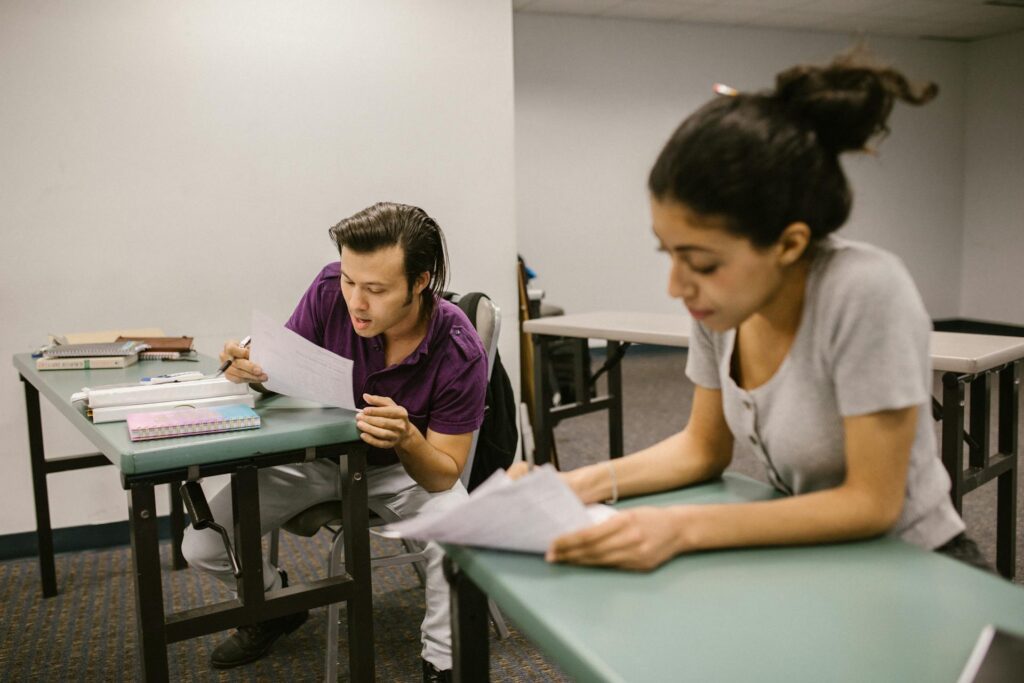
The first requirement is completing the Florida 63-hour real estate pre-licensing course, which is required by the Florida Department of Business and Professional Regulation (DBPR) before you can take the state exam.
Some students complete the course in one to two weeks through structured in-person classes, while others choose to complete it online at their own pace.
At 360 Florida Real Estate School, students can complete the course in person in Clermont, Florida, or online with instructor support.
After completing the pre-licensing course, you must submit your license application to the DBPR. The application review process typically takes one to two weeks, although processing times can vary.
Applicants must also complete fingerprinting for a background check during this stage.
Once your application is approved, you can schedule the Florida real estate state exam through Pearson VUE. Many students are able to schedule their exam within a few days depending on availability.
Passing the exam allows you to activate your license with a brokerage and begin working as a Florida real estate agent.
For many students, the entire process of getting a Florida real estate license can take three to six weeks, depending on how quickly the pre-licensing course is completed and how soon the state exam is scheduled.
Some students move even faster when they attend structured classes and schedule their exam shortly after finishing the course.
The most important step in the process is choosing the right real estate school. A strong instructor and structured course can make a significant difference in how prepared you feel for the exam and your future career.
At 360 Florida Real Estate School, instructor Patti Omalley teaches the Florida 63-hour real estate pre-licensing course with a focus on clear instruction, exam readiness, and real-world application.
If you are ready to become a Florida real estate agent, completing your pre-licensing education is the first step toward starting your new career.
 720 West Montrose Street, Clermont, FL 34711(630) 715-1403