Menu
If your Florida real estate license expires September 30, 2026, now is the time to check your education requirements and get them completed.
Not September 29.
Not when somebody in your office reminds you.
Now.
There are two very different education requirements that can apply to Florida real estate sales associates, and the consequences of missing the deadline are very different.
If this is your first license renewal, you generally need the 45-hour Florida Sales Associate Post-License course.
If you are past your first renewal and have a current active Florida real estate license, you generally need 14 hours of continuing education.
Here is the part I really want licensees to understand.
If you need the 14-hour continuing education and fail to properly renew by the deadline, your active license can become involuntarily inactive.
If this is your first renewal and you fail to complete the required 45-hour Sales Associate Post-License education before your license expires, your license becomes null and void.
Those are two very different consequences.
First, Check Your Florida Real Estate License Expiration Date
Florida real estate licenses generally expire on either March 31 or September 30, depending on the individual license cycle.
This article is specifically for licensees whose DBPR record shows an expiration date of September 30, 2026.
Don't assume you know your expiration date. Check your license through the Florida Department of Business and Professional Regulation.
Then determine which education requirement applies to you.
That one step can prevent a very expensive mistake.
If you are a Florida real estate sales associate approaching your first renewal after becoming licensed, you generally must complete 45 hours of approved post-license education before the expiration date on your license.
This is not the regular 14-hour continuing education course.
The first renewal is different.
And this is not a deadline you want to miss.
If you fail to complete the required 45-hour post-license education before your first renewal deadline, your sales associate license becomes null and void.
Let me put that in plain English.
You do not simply become inactive and take your 45-hour course later.
You lose the license.
If you want to become licensed again, you generally have to start the licensing process over, including completing the required pre-license education and passing the state licensing examination again.
Think about everything you did to earn that license in the first place.
You took the course. You studied. You applied. You completed your fingerprints and background requirements. You passed the state exam.
Why risk doing all of that again because you waited too long to complete your 45-hour post-license education?
Already Past Your First Renewal? You Generally Need 14 Hours of Continuing Education
If you have already completed your first renewal and your current active Florida real estate license expires September 30, you generally fall under the regular 14-hour continuing education requirement.
The 14 hours consist of 3 hours of Core Law, 3 hours of Ethics and Business Practices, and 8 hours of specialty education.
You must also satisfy the applicable DBPR renewal requirements and renewal fee by the deadline.
If a current active licensee fails to properly renew, the license can revert to involuntarily inactive status.
That is different from the first-renewal 45-hour situation.
Your license does not immediately become null and void, but you cannot simply continue conducting licensed real estate activity as though nothing happened.
That is not where an actively practicing real estate professional wants to be.
This is much easier to handle before September 30 than after it.
Don't Confuse the 14-Hour CE Course With the 45-Hour Post-License Course
This may be the most important part of this entire article.
I don't want somebody saying, “I did my continuing education. I'm good,” only to discover that this was actually their first renewal and they needed the 45-hour Sales Associate Post-License course.
For a Florida real estate sales associate, the basic distinction is simple.
First renewal: 45-hour Sales Associate Post-License education.
Later renewal cycles: 14-hour Continuing Education.
They are not interchangeable.
Know which requirement applies to your license before you register for a course.
If you're unsure, check your original license date and your current expiration date through DBPR.
Ask the question now.
Finding out after September 30 is too late.
September 30 Sounds Far Away Until It Isn't
We're in September now, and every renewal cycle I see people who wait.
They know the expiration date is coming. They tell themselves they'll get to it next week.
Then work gets busy.
A transaction blows up.
The kids need something.
They go out of town.
They forget.
Suddenly it's September 28 and they're trying to figure out what course they need and whether they can finish everything before the deadline.
Don't do that to yourself.
Especially if you need the 45-hour post-license course.
You worked too hard to earn your Florida real estate license to lose it over something you could have completed ahead of time.
Online or In Person? Pick the Option You'll Actually Complete
At 360 Florida Real Estate School, we offer options for Florida real estate licensees who need to complete their required education.
If online education works better with your schedule, take it online.
If you learn better in a classroom where you can ask questions, talk through real-world situations, and learn with other agents, take it in person.
The important thing is getting the correct education completed before your deadline.
Don't wait until the last few days and hope everything works out.
Post-Licensing Should Be More Than Checking a Box
I know the immediate goal is maintaining your license.
But I also don't believe post-licensing should feel like 45 hours of sitting somewhere just because the state told you to do it.
By this point, you've actually been in real estate.
Maybe you've worked with a buyer.
Maybe you've written an offer.
Maybe you've sat an open house, attended an inspection, worked through a contract, or had somebody ask you a question you didn't know how to answer.
That's when education starts making more sense.
You have context now.
You're not just memorizing information for a state exam. You're learning things you can connect to the business you're actually trying to build.
Getting the license was step one.
Learning how to use it is the next part.
Continuing Education Matters Too
The same thing applies to experienced licensees completing their 14-hour continuing education.
Real estate doesn't stand still.
Laws change. Rules change. Contracts change. Markets change. Technology changes. Business practices change.
Continuing education is a licensing requirement, but it should also be an opportunity to make sure you're staying current in the profession you're practicing.
You've got to do the hours anyway.
You might as well learn something.
Don't Risk Your Florida Real Estate License Over a Deadline
If your Florida real estate license expires September 30, 2026, take a few minutes today and figure out exactly where you stand.
Check your license.
Check your expiration date.
Determine whether you need the 45-hour Sales Associate Post-License course or the 14-hour Continuing Education course.
Then get it completed.
If this is your first renewal and you need the 45-hour post-license course, missing that requirement can mean your license becomes null and void.
If you are in a later renewal cycle and fail to properly renew your current active license, you can end up involuntarily inactive.
Neither situation is worth putting off something you already know you have to do.
At 360 Florida Real Estate School, you can complete your required education online or in person.
If you're not sure which course you need, ask.
I'd much rather help somebody figure that out before September 30 than have them discover afterward that they took the wrong course or didn't complete what their license required.
You earned your Florida real estate license.
Now protect it.
Okay, you have taken the course, passed the Florida real estate exam, received your license, and joined a brokerage.
Now what?
Your first 30 days are about getting set up, learning the business, and preparing for your first client.
Getting licensed does not mean you are finished with training.
Depending on your brokerage, MLS, local board or association, and professional memberships, you may still need orientation, Code of Ethics training, lockbox instruction, or system-specific classes.
Ask your broker what is required, complete it, and make sure all your accounts are active.
Find out where to access contracts, disclosures, forms, training, and transaction support.
Make sure your email, voicemail, contact information, showing system, and brokerage profile are correct.
Most importantly, know who to call when you have a question.
Yes, this matters.
Do not let your first attempt at opening an electronic lockbox happen while buyers are standing behind you waiting to see a home.
Make sure your access works and practice before your first showing.
Set up a daily market watch for the areas where you want to work.
Follow new listings, price changes, pending sales, expired listings, and closed properties.

Visit vacant homes whenever possible. Pay attention to location, condition, layout, upgrades, and pricing.
The more homes you see, the more confident and prepared you will become.
Set up your Zillow, Realtor.com, brokerage, and other professional profiles.
Use a current photo and make sure your phone number, email address, brokerage information, and service areas are accurate.
Write an About Me section that sounds like you.
People may search your name before they call. Make sure what they find looks professional and complete.
Your first 30 days are not about knowing everything or waiting for a closing.
They are about building the foundation.
Complete the required training. Learn your systems. Practice opening a lockbox. Study your market. Visit homes. Finish your profiles.
These are the stepping stones that help you become a prepared and confident real estate agent.
At 360 Florida Real Estate School, I teach students that passing the Florida real estate exam is only the beginning.
I also train and mentor new agents as they learn how the business works, build confidence, and prepare for real-world situations.
Getting licensed opens the door. Learning how to use that license is what comes next.
In Part Two, we will cover social media, networking, visibility, and why you cannot be a silent Realtor.
If you are wondering how hard the Florida real estate exam really is, you are asking the right question. I hear it from students all the time, especially people who are making a career change, balancing work, or trying to fit studying into a full life. The exam can be challenging, but most of the difficulty comes from how the questions are written and how well you prepare, not from the material being impossible to learn.
I have spent 19 years in real estate, working in both Florida and Illinois, and I have been in hundreds of real transactions and closings. That experience shapes how I teach because I know what matters in the real world and what the exam is actually trying to test. My goal is not to rush you through a course and hope you pass. My goal is to help you understand the content, learn how the exam works, and walk into test day feeling prepared.
The Florida real estate sales associate exam is required to become licensed in Florida. After you complete the 63-hour pre-licensing course, you must pass the state exam to move forward in the licensing process.
The exam is administered by Pearson VUE and it is multiple choice. It covers Florida real estate law and rules, contracts and disclosures, property ownership, brokerage relationships and duties, and real estate math. Many students tell me the list feels overwhelming at first. Once we organize it into clear themes and connect it to real scenarios, the material becomes much more manageable.
The Florida real estate exam is not usually hard because the topics are beyond you. It feels hard because the questions are designed to test application. You may know a definition, but the exam will give you a scenario and ask you to choose the best answer based on Florida law, correct procedure, or the most accurate interpretation of a contract concept.
This is where I see students lose points most often. They read too quickly, they miss a key word, or they second-guess themselves when two answers sound right. I have watched capable students do great in class and still struggle on the exam because they were not trained to slow down and decode what the question is truly asking.
There are a few patterns I see again and again, and the good news is that they are fixable.
The first is misreading. Words like except, not, best, or most likely can completely change the meaning of a question. The second is rushing. When students move too quickly, they miss a detail that separates a reasonable answer from the correct answer. The third is second-guessing. If you have not practiced enough exam-style questions, it is easy to talk yourself out of the right answer, even when you understood the concept.
This is why I build exam prep into the learning process. I do not want you to finish the 63 hours and then feel like you are starting over. I want you to learn the material and the test patterns at the same time so your confidence grows steadily.
Preparation is everything. Completing the course is required, but passing the exam usually requires focused review and consistent practice. I always tell students that studying is not just about time spent. It is about how you study and whether you are practicing the right way.
Step 1: Understand the core categories and how they connect. Real estate law, contracts, and brokerage duties are not separate silos in real life. They overlap in almost every transaction. When you learn them together, you remember them better and you answer scenario questions faster.
Step 2: Review practice questions. Not random questions, but exam-style questions with feedback. If you miss a question and you do not know why, you will repeat the same mistake. When we review questions together, I teach you how to spot the trickiest wording, how to eliminate distracting answers, and how to choose the most correct option under pressure.
Step 3: Strategy. Test-taking strategy matters more than most people realize. A student can know the material and still struggle if they do not have a consistent approach.
I teach students to read each question twice before looking at the answers. I teach them to underline the key words mentally and identify what the question is asking for before they get pulled into answer choices. Once you do that, the answers become much easier to evaluate.
I also teach elimination. Instead of trying to guess the right answer immediately, you learn to knock out what cannot be correct. This reduces anxiety and increases accuracy. When students practice this, their scores improve quickly because they stop getting caught by answers that sound professional but do not match Florida requirements.
Two areas tend to create the most stress. The first is math. Most people are not actually afraid of math. They are afraid of setting it up wrong. If you know what the problem is asking for and you have a repeatable method, math becomes predictable. We focus on commissions, proration, measurements, and the problem types that show up again and again.
The second is Florida law and contracts. Students sometimes learn these in textbook language, then get tested in scenario language. I teach it in a practical way, using examples that feel like real transactions, because that is how your brain learns to apply the rules. If you understand what a rule looks like in real life, you are less likely to freeze when you see a scenario question.
I offer both online and in-person classes, and I genuinely enjoy teaching online. Online learning can be a great fit for students with busy schedules, people changing careers, and stay-at-home parents who are ready for a new path but need flexibility. When the course is structured well, online learning can be interactive, supportive, and effective.
My online students do well because they are not left alone to figure it out. I want you to feel like you have a real instructor guiding you, not just a login and a pile of material. Online also gives many students the ability to study in a rhythm that fits their life. Some people learn best in smaller chunks, reviewing a concept, practicing it, and building confidence over time.
In-person learning is a great option if you want a classroom environment, real-time questions, and a steady pace that keeps you moving forward. Many students love having a set schedule and the momentum that comes from learning alongside others.
In class, I can immediately see where students get stuck and adjust how I explain it. That back-and-forth helps concepts click faster. Some students simply feel more confident when they can ask a question in the moment and work through examples together.
I started 360 Florida Real Estate School because I saw too many students being pushed through fast programs that focused on speed over understanding.
Passing the exam matters, but what happens after you pass matters too. I want you to understand what you are learning, not just memorize enough to survive the test. Because I have been in real transactions and real closings for years, I teach with practical clarity. I explain why the rule matters, how it shows up in real life, and how the exam will likely test it. That is what helps students feel confident, not just compliant.
The Florida real estate exam is challenging, but it is absolutely achievable with the right preparation and support. Most students do not fail because they are not capable. They struggle because they do not know what to expect, they do not practice enough exam-style questions, or they do not have a strategy for reading questions under pressure.
If you want to feel prepared and supported, I would love to help you. Whether you choose online or in-person, my goal is the same. I want you to walk into exam day confident, clear, and ready to pass, and I want you to step into real estate feeling prepared for the career you are building.
One of the most common questions I hear is:
“How much does it cost to become a real estate agent in Florida?”
The answer depends on the school, fingerprinting provider, and business tools you choose, but most students should budget approximately $2,300 from start to finish.
That estimate includes the required pre-licensing course, fingerprinting, DBPR application, state exam fees, post-licensing requirements, and the basic tools needed to begin a real estate career.
Let’s break down where those costs come from.
The first step in obtaining your Florida real estate license is completing a state-approved 63-hour pre-licensing course.
This course provides the education required by the Florida Real Estate Commission (FREC) before you can move forward with the licensing process.
Course pricing varies depending on the school and whether you choose an online or in-person learning experience. The most important factor is selecting a school that helps you understand the material, not simply memorize information for a test.
Florida requires all real estate applicants to complete electronic fingerprinting through an approved LiveScan service provider.
The fingerprints are submitted to the Florida Department of Law Enforcement and the FBI for background screening.
Most students can expect fingerprinting costs to range between $50 and $90, depending on the provider.
One of the biggest mistakes students make is waiting until after the course to complete fingerprinting. I always recommend getting fingerprinted while taking the course so you are ready to move forward as soon as class ends.
Before you can take the Florida real estate state exam, you must submit an application to the Florida Department of Business and Professional Regulation (DBPR).
The application fee is approximately $84, although students should always verify current fees directly with the state.
Submitting your application while taking the course can save valuable time and help avoid unnecessary delays.
Once approved by the DBPR, students are eligible to schedule the Florida real estate state exam through Pearson VUE.
The exam fee is currently $57 per attempt.

While many students pass on their first attempt, others may need additional tries. The important thing is to stay focused, stay prepared, and keep moving forward.
Many students think the costs stop once they pass the state exam.
They don’t.
New real estate agents often have additional expenses such as:
MLS access
REALTOR® association dues
Lockbox access
Business cards
Marketing materials
Post-licensing education
Technology and software tools
The exact amount varies depending on your local market and the tools you choose to invest in.
When students ask me what it costs to become a real estate agent, I usually tell them to budget approximately $2,300 from start to finish.
That estimate includes:
Pre-licensing education
Fingerprinting
DBPR application fees
State exam fees
Post-licensing requirements
Basic startup expenses
The exact amount may vary, but budgeting around $2,300 helps students understand the true investment required to launch a real estate career.
When I tell students to budget around $2,300, the first reaction is often:
“That’s a lot of money.”
My response is simple:
You can’t build a house without a hammer.
Every profession requires tools and resources to be successful.
For real estate professionals, those tools include education, licensing, MLS access, continuing education, marketing, and the resources needed to serve clients professionally.
The licensing process isn’t just an expense—it’s an investment in your future.
Compared to many professions that require years of education, expensive certifications, or significant student loan debt, real estate remains one of the most affordable ways to start a professional career and build a business of your own.
Many students focus on what it costs to get licensed.
A better question might be:
What is the opportunity worth?
Real estate offers one of the lowest barriers to entry among professional careers. While success requires effort, education, and consistency, many agents earn back their initial investment within their first few transactions.
The key is treating your license like a business and committing to the process.
The biggest mistake I see isn’t spending too much money.
It’s losing momentum.
Students finish the course and wait months to complete fingerprinting.
They delay submitting their DBPR application.
They postpone taking the state exam.
The longer you wait, the more information you forget.
That’s why I encourage students to complete fingerprinting and submit their DBPR application while they are still taking the course.
Momentum matters.
Students who keep moving forward often have a much smoother licensing experience.
At 360 Florida Real Estate School, students receive guidance throughout the entire Florida real estate licensing process.
From the 63-hour pre-licensing course to fingerprinting, DBPR applications, and preparation for the Florida real estate exam, our goal is to help students move through the process efficiently and confidently.
Whether you choose online or in-person instruction, you’ll receive the education and support needed to begin your real estate career.
The cost of becoming a Florida real estate agent is more than just a course fee.
It’s an investment in a new opportunity, a new skill set, and potentially a new career.
Understanding the costs upfront allows students to plan appropriately, avoid surprises, and move through the licensing process with confidence.
One of the most common questions students ask is:
“What score do I need to pass the Florida real estate exam?”
To pass the Florida real estate state exam, students must score at least 75 out of 100 scored questions correctly, which equals a passing score of 75%.
The exam is administered through Pearson VUE, and while there are approximately 100 scored questions, students may actually see around 104 questions on the exam. Some of the additional questions are unscored testing questions used by the state to evaluate future exam content.
A lot of students believe they need to know every answer perfectly to pass the exam.
That’s not true.
Many students know the material but lose points because they rush, misread questions, or second-guess themselves.
The Florida real estate exam is designed to make students think carefully. Sometimes one or two words completely change the meaning of the question.
That’s why slowing down, reading carefully, and eliminating incorrect answers first can make a huge difference.
Understanding the Difference Between the Course Final and State Exam
The 63-hour course final exam and the Florida real estate state exam are two different tests.

For the course final exam:
Students must score at least 70% to pass.
Florida students only receive two attempts to pass the course final exam before they are required to retake the entire course.
For the Florida real estate state exam:
Students must score at least 75% to pass and can retake the exam again if needed.
Understanding the material during class instead of simply memorizing it helps students perform much better throughout the licensing process.
One of the biggest mistakes students make is waiting too long after finishing the course before taking the Florida real estate exam.
The longer students wait:
The more information they forget
The harder the exam feels
The more confidence they lose
That’s why students should complete fingerprinting and submit their DBPR application while still taking the course so they are ready to move directly into the exam process.
Momentum matters.
At 360 Florida Real Estate School, students receive both online and in-person real estate education designed to help them understand the material instead of simply memorizing it.
Instructor Patti Omalley helps students learn how to approach exam questions confidently, understand the wording of questions, and stay prepared throughout the licensing process.
Students also receive guidance with fingerprinting, DBPR applications, and preparing for the Florida real estate state exam.
Passing the Florida real estate exam is absolutely achievable with preparation, consistency, and confidence.
The goal is not perfection.
The goal is understanding the material, staying engaged, and continuing to move forward toward your Florida real estate license.
I failed the real estate exam eight times.
Eight times I sat down, stared at that computer screen, and walked out without a license. And in Illinois, after every third failed attempt, I had to retake the entire course. So I didn’t just fail eight times — I sat through the full licensing course three times before I finally passed on my ninth attempt.
Eight times I had to go home and figure out what went wrong. Eight times I could have quit.
I passed on the ninth try.
And today I own 360 Florida Real Estate School in Clermont, Florida, where I teach the very exam that once defeated me repeatedly. I’ve been selling real estate successfully for 19 years. I’m licensed in both Florida and Illinois, holding a Managing Broker’s license in Illinois and a Broker’s license in Florida. Last year alone I closed 27 transactions between both states — while teaching, while running a school, while training agents, while building something bigger than myself.
Was it hard? Some days I didn’t know which direction to turn first.
But I kept going anyway. And that’s exactly the point.
The exam doesn’t measure how good of a real estate professional you’re going to be. It measures whether you’ve learned to speak the language of the test. Those are two completely different things.
I knew real estate. I lived it, breathed it, understood it instinctively. But the exam has its own language — specific terminology, specific formats, specific ways of asking questions designed to trip you up. Learning that language took me eight failed attempts and three full rounds of coursework.

Once I learned it I never looked back.
Nineteen years later I’m still selling. Still teaching. Still learning. And now I’m adding a Mortgage Loan Originator license to my credentials because the industry is changing faster than it ever has and I refuse to get left behind.
When you walk into my classroom you’re going to be nervous. Maybe you’ve already failed once. Maybe you’re terrified of failing. Maybe someone in your life is watching and waiting to say I told you so.
I get it. I’ve been exactly where you are.
But here’s what I know after 19 years in this industry and hundreds of students through my classroom — the people who struggle the most to get licensed are often the ones who become the best agents. Because they fought for it. Because it meant something to them. Because they didn’t take the easy path.
Passing on your first try is great. But it doesn’t make you a better agent than someone who passed on their ninth try.
What makes a better agent is what happens after you pass.
At 360 Florida Real Estate School I don’t just teach you to pass the exam. I teach you to survive and thrive in the real world of real estate — a world that is changing faster right now than it has in decades.
Portal wars. MLS changes. New commission structures. Artificial intelligence disrupting everything. The agents who will win in this market are the ones who understand the industry deeply — not just the ones who memorized enough to pass a test.
Most real estate schools teach you to pass a test. At 360 Florida we teach you to build a career.
I built 360 Florida because I saw the gap between what real estate schools teach and what agents actually need to know in the field. Small class sizes. Personalized attention. Real world examples from someone who is still out there closing deals in two states every single day.
We’ve won Best Education Services in South Lake County two years running — 2024 and 2025. Not because we’re the biggest. Because we actually care whether our students succeed.
If you failed once, twice, five times, or eight times — I want you in my classroom.
Not despite your failures. Because of them.
Because I know exactly what it feels like to stare at that screen and walk out defeated. I know what it feels like to have to tell people you didn’t pass again. I know what it feels like to wonder if you’re cut out for this.
You are. You just haven’t found the right teacher yet.
Come find me at 360 Florida Real Estate School in Clermont, Florida. Let’s get you licensed — and then let’s make you the kind of agent this industry actually needs right now.
Because the market needs better agents. And building better agents is exactly what I do.
One of the biggest fears students have when getting started is failing the Florida real estate exam.
The good news is there is no limit to how many times you can take the state exam in Florida.
If you do not pass the first time, you can reschedule your exam through Pearson VUE and try again. Many successful real estate agents did not pass on their first attempt. The important thing is not losing confidence or momentum while working toward your Florida real estate license.
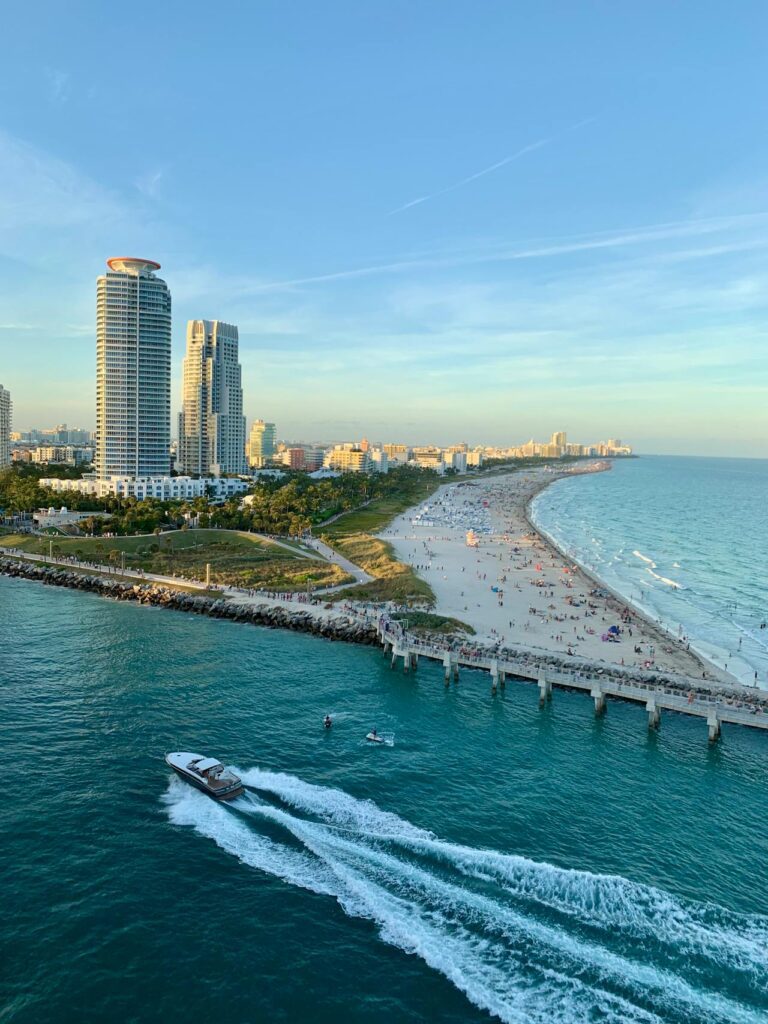
A lot of students think the state exam is the hardest part of becoming a real estate agent, but many times the first challenge is successfully completing the 63-hour Florida real estate pre-licensing course.
In Florida, students only get two chances to pass the course final exam before they are required to retake the entire course.
That’s why staying engaged during class matters so much.
The students who usually do the best are the ones asking questions, participating, and truly trying to understand the material instead of simply memorizing it long enough to get through the test.
The goal is not just passing exams. The goal is understanding real estate and building confidence moving into your career.
I personally took the Illinois real estate exam nine times before passing.
Since then, I’ve gone on to build a successful real estate career, become licensed and actively sell in both Illinois and Florida, and now teach real estate students throughout Central Florida through 360 Florida Real Estate School.
That experience completely changed the way I teach because I understand exactly how frustrating these exams can feel.
A lot of students leave the testing center thinking:
“I knew that material.”
And honestly, many times they probably did.
Real estate exams are not just about memorizing information. A huge part of success comes from understanding how the questions are written, slowing down, and learning how to approach the exam confidently.
That’s something I focus heavily on with my students.
One of the biggest mistakes students make is waiting too long between:
Finishing the course
Completing fingerprints
Submitting their DBPR application
Scheduling the state exam
The longer students wait, the more information they forget.
That’s why I always encourage students to complete fingerprinting and their DBPR application while they are still taking the course so they are ready to move directly into the Florida real estate exam.
Momentum matters.
Students who keep moving forward and stay consistent usually perform much better throughout the licensing process.
You do not need to be perfect to pass the Florida real estate exam.
You need preparation, consistency, confidence, and the willingness to keep going even if things do not happen perfectly the first time.
Real estate is a career built on persistence, communication, and problem-solving. Those same skills apply while getting licensed.
At 360 Florida Real Estate School, students receive both online and in-person real estate education designed to help them understand the material instead of simply memorizing it.
Instructor Patti Omalley helps students learn how to slow down, understand the wording of exam questions, and build confidence throughout the licensing process.
Students receive support not only through the 63-hour Florida real estate course, but also with fingerprinting, DBPR applications, and preparation for the Florida real estate state exam.
If you are thinking about getting your Florida real estate license, do not let fear of the exam stop you.
Every successful real estate agent started somewhere.
The key is staying consistent, continuing to learn, and not giving up on yourself.
While completing your 63-hour Florida real estate pre-licensing course, it’s important to start the next steps in the licensing process — not after you finish.
One of the biggest mistakes students make is waiting until the course is over to handle fingerprinting and their application. The longer you wait, the more time you lose — and the more information you forget before taking the Florida real estate exam.

As you’re working through your course, you should schedule your LiveScan fingerprinting with an approved provider.
When you go to your appointment, you will need to provide the correct ORI number so your fingerprints are sent to the right agency.
???? ORI Number: FL920010Z
This step is extremely important. If the wrong ORI number is used, your fingerprints may not be sent to the Florida Department of Business and Professional Regulation (DBPR), which can delay your application.
The process itself is quick and done electronically, usually taking just a few minutes.
Once your fingerprints are submitted, they are sent to the FBI for a background check, and the results are forwarded to the DBPR.
This step can take several days, so completing it while you are still in the course helps keep everything moving.
While you are finishing your course, you should also submit your application to the DBPR.
This allows your application and background check to be processed at the same time you are completing your education.
Waiting until after the course to do this only slows you down.
If you complete your fingerprinting and application during your course, you will be in a position to schedule your Florida real estate exam with Pearson VUE as soon as you finish.
This is key.
The sooner you take the exam after finishing the course, the better your chances of passing — because the material is still fresh.
Real estate is not just about passing the test — it’s about retaining the information.
Students who wait weeks to complete fingerprinting and applications often lose momentum and forget key concepts.
The goal is to move directly from:
Course → Approval → Exam
Without unnecessary delays.
At 360 Florida Real Estate School, students are guided through the entire process, not just the classroom portion.
Instructor Patti Omalley helps students understand when to complete fingerprinting, submit their DBPR application, and prepare for the Florida real estate exam so they stay on track and ready.
If you’re currently taking your Florida real estate course, now is the time to complete your fingerprinting and submit your application.
Staying ahead of these steps will help you move faster, retain the material, and be ready to take your exam as soon as possible.
One of the most common questions people ask when getting started is how hard the Florida real estate exam really is. The answer depends on how well you prepare, but for many students, the exam can be challenging.
Understanding what to expect can make a big difference in how confident you feel going into the test.
The Florida real estate sales associate exam is required to become a licensed real estate agent in Florida. After completing the 63-hour real estate pre-licensing course, you must pass this exam to move forward in the licensing process.
The exam is administered by Pearson VUE and consists of multiple-choice questions covering Florida real estate law, contracts, property ownership, and real estate math.
The Florida real estate exam is not necessarily difficult because of the material itself, but because of how the questions are written.
Many students struggle with:
Understanding what the question is actually asking
Reading too quickly
Second-guessing their answers
In many cases, students know the material but lose points because they misread or overthink the question.
Preparation is key when it comes to passing the Florida real estate exam.
It’s important to not only complete the 63-hour real estate course, but also take time to review the material and practice answering exam-style questions.
One of the most helpful strategies is learning how to slow down, read each question carefully, and eliminate incorrect answers.
A big part of passing the Florida real estate exam comes down to test-taking strategy.
Reading each question twice, understanding key words, and using the process of elimination can significantly improve your score.
Many students who struggle with the exam are not lacking knowledge — they are struggling with how to approach the test.
At 360 Florida Real Estate School, students are prepared not only to complete the 63-hour real estate pre-licensing course, but also to approach the Florida real estate exam with confidence.
Instructor Patti Omalley focuses on helping students understand the material and develop strategies to read and answer exam questions correctly.
Support is available throughout the learning process, including exam preparation and guidance.
The Florida real estate exam can be challenging, but with the right preparation and support, it is absolutely achievable.
Completing your Florida real estate pre-licensing course and understanding how to approach the exam will put you in a strong position to pass and begin your real estate career.
If you’re thinking about becoming a real estate agent, one of the first questions people ask is how much it costs to get a Florida real estate license. The good news is that compared to many professions, the cost to start a real estate career in Florida is relatively affordable and the process can be completed in a short period of time.
Understanding the required steps and fees will help you plan ahead as you begin the licensing process.
To become a Florida real estate sales associate, you must be at least 18 years old, have a high school diploma or GED, and have a U.S. Social Security number. Applicants must also complete the 63-hour Florida real estate pre-licensing course, submit an application to the Florida Department of Business and Professional Regulation (DBPR), complete fingerprinting for a background check, and pass the Florida real estate state exam.
Each of these steps includes a small cost.
The first step is completing the Florida 63-hour real estate pre-licensing course, which is required before you can take the state exam. This course covers Florida real estate law, brokerage relationships, contracts, property rights, real estate math, and other key topics needed to prepare for the Florida real estate exam.
At 360 Florida Real Estate School, students can complete the course in person in Clermont, Florida, or online with direct instructor support.
All applicants must complete fingerprinting through a state-approved vendor so the DBPR can conduct a background check. Fingerprinting typically costs between $50 and $80, depending on the provider.
After completing the pre-licensing course, you must submit your license application to the Florida Department of Business and Professional Regulation. The application fee is approximately $83.75.
Once your application is approved, you can schedule your exam.
The Florida real estate sales associate exam is administered by Pearson VUE, and the exam fee is $57 per attempt. Passing this exam allows you to activate your license with a brokerage and begin working as a Florida real estate agent.
When you combine the 63-hour real estate course, fingerprinting, DBPR application fee, and the Pearson VUE exam fee, most people spend a few hundred dollars to obtain a Florida real estate license.
Compared to many careers that require years of education or expensive certification programs, becoming a real estate agent in Florida is a relatively affordable path into a professional career.
Choosing the right school can make a significant difference in how prepared you feel for the exam and your future career. At 360 Florida Real Estate School, instructor Patti Omalley teaches the Florida 63-hour real estate pre-licensing course with a focus on clear instruction, exam readiness, and real-world application.
If you’re considering becoming a Florida real estate agent, understanding the licensing process and costs is the first step toward starting your new career
 720 West Montrose Street, Clermont, FL 34711(630) 715-1403