Menu
One of the most common questions students ask is:
“What score do I need to pass the Florida real estate exam?”
To pass the Florida real estate state exam, students must score at least 75 out of 100 scored questions correctly, which equals a passing score of 75%.
The exam is administered through Pearson VUE, and while there are approximately 100 scored questions, students may actually see around 104 questions on the exam. Some of the additional questions are unscored testing questions used by the state to evaluate future exam content.
A lot of students believe they need to know every answer perfectly to pass the exam.
That’s not true.
Many students know the material but lose points because they rush, misread questions, or second-guess themselves.
The Florida real estate exam is designed to make students think carefully. Sometimes one or two words completely change the meaning of the question.
That’s why slowing down, reading carefully, and eliminating incorrect answers first can make a huge difference.
Understanding the Difference Between the Course Final and State Exam
The 63-hour course final exam and the Florida real estate state exam are two different tests.

For the course final exam:
Students must score at least 70% to pass.
Florida students only receive two attempts to pass the course final exam before they are required to retake the entire course.
For the Florida real estate state exam:
Students must score at least 75% to pass and can retake the exam again if needed.
Understanding the material during class instead of simply memorizing it helps students perform much better throughout the licensing process.
One of the biggest mistakes students make is waiting too long after finishing the course before taking the Florida real estate exam.
The longer students wait:
The more information they forget
The harder the exam feels
The more confidence they lose
That’s why students should complete fingerprinting and submit their DBPR application while still taking the course so they are ready to move directly into the exam process.
Momentum matters.
At 360 Florida Real Estate School, students receive both online and in-person real estate education designed to help them understand the material instead of simply memorizing it.
Instructor Patti Omalley helps students learn how to approach exam questions confidently, understand the wording of questions, and stay prepared throughout the licensing process.
Students also receive guidance with fingerprinting, DBPR applications, and preparing for the Florida real estate state exam.
Passing the Florida real estate exam is absolutely achievable with preparation, consistency, and confidence.
The goal is not perfection.
The goal is understanding the material, staying engaged, and continuing to move forward toward your Florida real estate license.
One of the biggest fears students have when getting started is failing the Florida real estate exam.
The good news is there is no limit to how many times you can take the state exam in Florida.
If you do not pass the first time, you can reschedule your exam through Pearson VUE and try again. Many successful real estate agents did not pass on their first attempt. The important thing is not losing confidence or momentum while working toward your Florida real estate license.
A lot of students think the state exam is the hardest part of becoming a real estate agent, but many times the first challenge is successfully completing the 63-hour Florida real estate pre-licensing course.
In Florida, students only get two chances to pass the course final exam before they are required to retake the entire course.
That’s why staying engaged during class matters so much.
The students who usually do the best are the ones asking questions, participating, and truly trying to understand the material instead of simply memorizing it long enough to get through the test.
The goal is not just passing exams. The goal is understanding real estate and building confidence moving into your career.
I personally took the Illinois real estate exam nine times before passing.
Since then, I’ve gone on to build a successful real estate career, become licensed and actively sell in both Illinois and Florida, and now teach real estate students throughout Central Florida through 360 Florida Real Estate School.
That experience completely changed the way I teach because I understand exactly how frustrating these exams can feel.
A lot of students leave the testing center thinking:
“I knew that material.”
And honestly, many times they probably did.
Real estate exams are not just about memorizing information. A huge part of success comes from understanding how the questions are written, slowing down, and learning how to approach the exam confidently.
That’s something I focus heavily on with my students.
One of the biggest mistakes students make is waiting too long between:
Finishing the course
Completing fingerprints
Submitting their DBPR application
Scheduling the state exam
The longer students wait, the more information they forget.
That’s why I always encourage students to complete fingerprinting and their DBPR application while they are still taking the course so they are ready to move directly into the Florida real estate exam.
Momentum matters.
Students who keep moving forward and stay consistent usually perform much better throughout the licensing process.
You do not need to be perfect to pass the Florida real estate exam.
You need preparation, consistency, confidence, and the willingness to keep going even if things do not happen perfectly the first time.
Real estate is a career built on persistence, communication, and problem-solving. Those same skills apply while getting licensed.
At 360 Florida Real Estate School, students receive both online and in-person real estate education designed to help them understand the material instead of simply memorizing it.
Instructor Patti Omalley helps students learn how to slow down, understand the wording of exam questions, and build confidence throughout the licensing process.
Students receive support not only through the 63-hour Florida real estate course, but also with fingerprinting, DBPR applications, and preparation for the Florida real estate state exam.
If you are thinking about getting your Florida real estate license, do not let fear of the exam stop you.
Every successful real estate agent started somewhere.
The key is staying consistent, continuing to learn, and not giving up on yourself.
While completing your 63-hour Florida real estate pre-licensing course, it’s important to start the next steps in the licensing process — not after you finish.
One of the biggest mistakes students make is waiting until the course is over to handle fingerprinting and their application. The longer you wait, the more time you lose — and the more information you forget before taking the Florida real estate exam.
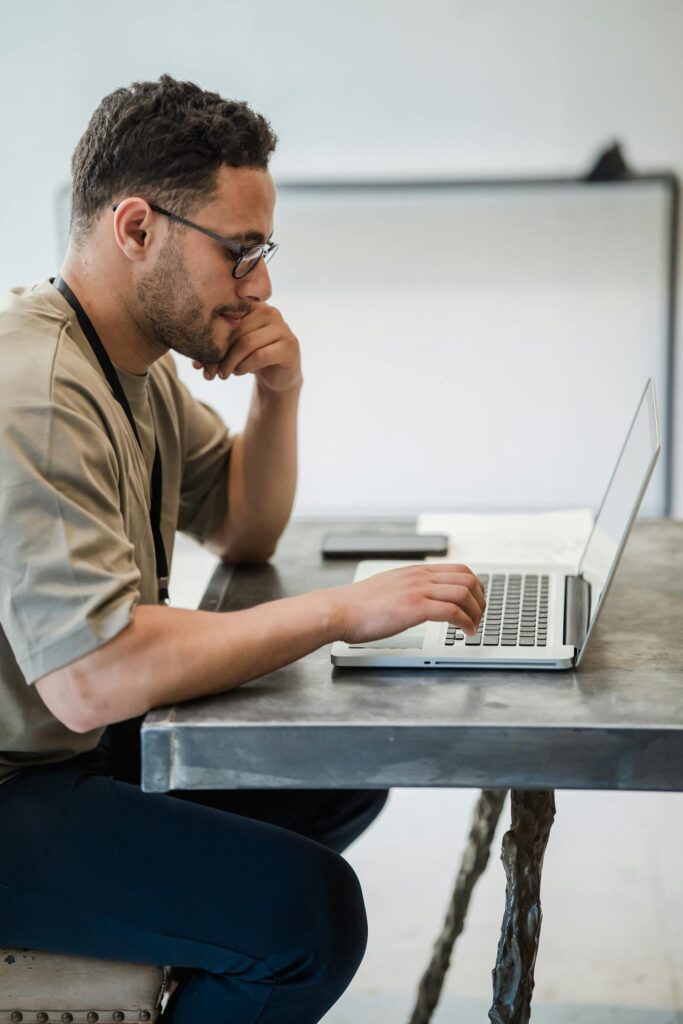
As you’re working through your course, you should schedule your LiveScan fingerprinting with an approved provider.
When you go to your appointment, you will need to provide the correct ORI number so your fingerprints are sent to the right agency.
???? ORI Number: FL920010Z
This step is extremely important. If the wrong ORI number is used, your fingerprints may not be sent to the Florida Department of Business and Professional Regulation (DBPR), which can delay your application.
The process itself is quick and done electronically, usually taking just a few minutes.
Once your fingerprints are submitted, they are sent to the FBI for a background check, and the results are forwarded to the DBPR.
This step can take several days, so completing it while you are still in the course helps keep everything moving.
While you are finishing your course, you should also submit your application to the DBPR.
This allows your application and background check to be processed at the same time you are completing your education.
Waiting until after the course to do this only slows you down.
If you complete your fingerprinting and application during your course, you will be in a position to schedule your Florida real estate exam with Pearson VUE as soon as you finish.
This is key.
The sooner you take the exam after finishing the course, the better your chances of passing — because the material is still fresh.
Real estate is not just about passing the test — it’s about retaining the information.
Students who wait weeks to complete fingerprinting and applications often lose momentum and forget key concepts.
The goal is to move directly from:
Course → Approval → Exam
Without unnecessary delays.
At 360 Florida Real Estate School, students are guided through the entire process, not just the classroom portion.
Instructor Patti Omalley helps students understand when to complete fingerprinting, submit their DBPR application, and prepare for the Florida real estate exam so they stay on track and ready.
If you’re currently taking your Florida real estate course, now is the time to complete your fingerprinting and submit your application.
Staying ahead of these steps will help you move faster, retain the material, and be ready to take your exam as soon as possible.
One of the most common questions people ask when getting started is how hard the Florida real estate exam really is. The answer depends on how well you prepare, but for many students, the exam can be challenging.
Understanding what to expect can make a big difference in how confident you feel going into the test.
The Florida real estate sales associate exam is required to become a licensed real estate agent in Florida. After completing the 63-hour real estate pre-licensing course, you must pass this exam to move forward in the licensing process.
The exam is administered by Pearson VUE and consists of multiple-choice questions covering Florida real estate law, contracts, property ownership, and real estate math.
The Florida real estate exam is not necessarily difficult because of the material itself, but because of how the questions are written.
Many students struggle with:
Understanding what the question is actually asking
Reading too quickly
Second-guessing their answers
In many cases, students know the material but lose points because they misread or overthink the question.
Preparation is key when it comes to passing the Florida real estate exam.
It’s important to not only complete the 63-hour real estate course, but also take time to review the material and practice answering exam-style questions.
One of the most helpful strategies is learning how to slow down, read each question carefully, and eliminate incorrect answers.
A big part of passing the Florida real estate exam comes down to test-taking strategy.
Reading each question twice, understanding key words, and using the process of elimination can significantly improve your score.
Many students who struggle with the exam are not lacking knowledge — they are struggling with how to approach the test.
At 360 Florida Real Estate School, students are prepared not only to complete the 63-hour real estate pre-licensing course, but also to approach the Florida real estate exam with confidence.
Instructor Patti Omalley focuses on helping students understand the material and develop strategies to read and answer exam questions correctly.
Support is available throughout the learning process, including exam preparation and guidance.
The Florida real estate exam can be challenging, but with the right preparation and support, it is absolutely achievable.
Completing your Florida real estate pre-licensing course and understanding how to approach the exam will put you in a strong position to pass and begin your real estate career.
If you’re searching for a Florida online real estate class, you’re likely ready to begin working toward your Florida real estate license. Online classes are one of the most flexible ways to complete your required education, but it’s important to understand how they work.

A Florida online real estate class is the required 63-hour real estate pre-licensing course approved by the Florida Department of Business and Professional Regulation (DBPR).
This class must be completed before you can schedule and take the Florida real estate state exam.
A Florida online real estate class is self-paced and available 24/7. You can complete the course from anywhere using your computer, phone, or tablet.
Most online real estate classes in Florida allow up to one year to complete the course, giving you flexibility. While that timeline is available, many students benefit from completing the course sooner so the information stays fresh for the Florida real estate exam.
The Florida 63-hour real estate pre-licensing class covers everything needed to prepare for the Florida real estate exam, including Florida real estate law, contracts, property ownership, brokerage relationships, and real estate math.
Completing a Florida real estate pre-licensing class is required before moving forward in the licensing process.
Choosing between a Florida online real estate class and in-person training depends on your learning style.
Online classes offer flexibility, while in-person classes provide structure, accountability, and live instruction. Many students find that having guidance helps them better understand the material and feel more confident going into the Florida real estate exam.
At 360 Florida Real Estate School, students can complete a Florida online real estate class while still having access to instructor Patti Omalley.
If you have questions or need help, you can reach out for support throughout the course. This helps students stay on track and better prepare for the Florida real estate exam.
360 Florida Real Estate School offers both online real estate classes in Florida and in-person classes in Clermont, Florida, serving students throughout Central Florida, including Lake County, Orange County, and surrounding areas.
Students have the flexibility to choose the learning format that works best for them while still receiving instructor support.
Enrolling in a Florida online real estate class is the first step toward earning your Florida real estate license. Completing the 63-hour real estate pre-licensing course prepares you to take the Florida real estate exam and begin your career.
If you’re searching for a Florida online real estate school, you’re likely ready to start working toward your Florida real estate license. With so many options available, it’s important to understand what to look for before choosing a school.
Not all online real estate schools in Florida provide the same level of support, structure, or preparation.
A Florida online real estate school offers the required 63-hour real estate pre-licensing course approved by the Florida Department of Business and Professional Regulation (DBPR).
The Florida online real estate course must be completed before you can take the Florida real estate state exam and begin your real estate career.
A Florida online real estate school allows students to complete the 63-hour real estate course from anywhere in Florida. Courses are typically self-paced and available 24/7, making it easy to work around your schedule.
Most online real estate schools give students up to one year to complete the course, although many finish much sooner to stay prepared for the Florida real estate exam.
Choosing the right Florida online real estate school is one of the most important decisions in the licensing process.
While price and flexibility matter, the most important factor is support. Many online programs are completely self-guided, which can make it difficult to stay on track or fully understand the material.
Having access to an instructor can make a significant difference in how confident you feel going into the Florida real estate exam.
At 360 Florida Real Estate School, students can complete the Florida online real estate course while still having direct access to instructor Patti Omalley.
With over 19 years of real estate experience, Patti provides guidance, answers questions, and helps students better understand the material throughout the course.
This level of support helps students stay on track and feel more prepared for the Florida real estate exam.
360 Florida Real Estate School offers both online real estate courses in Florida and in-person classes in Clermont, Florida, serving students throughout Central Florida, including Lake County, Orange County, and surrounding areas.
Students have the flexibility of online learning with the added benefit of instructor support.
Choosing the right Florida online real estate school is the first step toward earning your Florida real estate license. Completing the 63-hour real estate pre-licensing course will prepare you to take the Florida real estate exam and begin your career.
If you’re searching for a Florida online real estate course, you’re likely ready to start working toward your Florida real estate license. Online real estate courses are a popular option because they offer flexibility, but it’s important to understand how they work before enrolling.
To become a licensed real estate agent, you must complete the Florida 63-hour real estate pre-licensing course approved by the Florida Department of Business and Professional Regulation (DBPR).
A Florida online real estate course allows you to complete this requirement from anywhere while meeting all Florida real estate licensing requirements.

A Florida online real estate course is self-paced and available 24/7. You can study from your computer, tablet, or phone and complete the required 63 hours on your own schedule.
Most online real estate courses in Florida allow up to one year to complete the course, giving you flexibility. While that option is available, it is usually best to complete the course sooner so the material stays fresh when preparing for the Florida real estate exam.
The Florida 63-hour real estate course covers everything needed to pass the Florida real estate exam, including Florida real estate law, contracts, brokerage relationships, property ownership, and real estate math.
Completing a Florida real estate pre-licensing course is required before scheduling your state exam. Many students choose real estate classes that fit their schedule and learning style, helping them stay consistent and better prepared for the Florida real estate exam.
Choosing between an online real estate course in Florida and in-person real estate classes depends on your learning style.
Online courses offer flexibility, while in-person real estate classes provide structure, accountability, and live instruction. Many students find that having guidance improves their understanding and confidence when preparing for the Florida real estate state exam.
One of the biggest differences between real estate schools is the level of support provided.
At 360 Florida Real Estate School, students can complete a Florida online real estate course while still having direct access to instructor Patti Omalley. Students can call, ask questions, and receive guidance throughout the course.
This support helps students stay on track, better understand the material, and feel more confident going into the Florida real estate exam.
360 Florida Real Estate School offers both online real estate courses in Florida and in-person real estate classes in Clermont, Florida, serving students throughout Central Florida, including Lake County, Orange County, and surrounding areas.
Students have the flexibility of online learning while still receiving instructor support.
Enrolling in a Florida online real estate course is the first step toward earning your Florida real estate license. Completing the 63-hour real estate pre-licensing course will prepare you to take the Florida real estate exam and begin your career.
If you’re thinking about becoming a real estate agent, one of the first questions people ask is how much it costs to get a Florida real estate license. The good news is that compared to many professions, the cost to start a real estate career in Florida is relatively affordable and the process can be completed in a short period of time.
Understanding the required steps and fees will help you plan ahead as you begin the licensing process.
To become a Florida real estate sales associate, you must be at least 18 years old, have a high school diploma or GED, and have a U.S. Social Security number. Applicants must also complete the 63-hour Florida real estate pre-licensing course, submit an application to the Florida Department of Business and Professional Regulation (DBPR), complete fingerprinting for a background check, and pass the Florida real estate state exam.
Each of these steps includes a small cost.
The first step is completing the Florida 63-hour real estate pre-licensing course, which is required before you can take the state exam. This course covers Florida real estate law, brokerage relationships, contracts, property rights, real estate math, and other key topics needed to prepare for the Florida real estate exam.
At 360 Florida Real Estate School, students can complete the course in person in Clermont, Florida, or online with direct instructor support.
All applicants must complete fingerprinting through a state-approved vendor so the DBPR can conduct a background check. Fingerprinting typically costs between $50 and $80, depending on the provider.
After completing the pre-licensing course, you must submit your license application to the Florida Department of Business and Professional Regulation. The application fee is approximately $83.75.
Once your application is approved, you can schedule your exam.
The Florida real estate sales associate exam is administered by Pearson VUE, and the exam fee is $57 per attempt. Passing this exam allows you to activate your license with a brokerage and begin working as a Florida real estate agent.
When you combine the 63-hour real estate course, fingerprinting, DBPR application fee, and the Pearson VUE exam fee, most people spend a few hundred dollars to obtain a Florida real estate license.
Compared to many careers that require years of education or expensive certification programs, becoming a real estate agent in Florida is a relatively affordable path into a professional career.
Choosing the right school can make a significant difference in how prepared you feel for the exam and your future career. At 360 Florida Real Estate School, instructor Patti Omalley teaches the Florida 63-hour real estate pre-licensing course with a focus on clear instruction, exam readiness, and real-world application.
If you’re considering becoming a Florida real estate agent, understanding the licensing process and costs is the first step toward starting your new career
If you are considering a career in real estate, one of the most common questions people ask is how long it takes to get a Florida real estate license. The timeline can vary depending on how quickly you complete the required steps, but many people are able to become licensed in just a few weeks.
Understanding the process will help you plan your path into the real estate industry.
The first requirement is completing the Florida 63-hour real estate pre-licensing course, which is required by the Florida Department of Business and Professional Regulation (DBPR) before you can take the state exam.
Some students complete the course in one to two weeks through structured in-person classes, while others choose to complete it online at their own pace.
At 360 Florida Real Estate School, students can complete the course in person in Clermont, Florida, or online with instructor support.
After completing the pre-licensing course, you must submit your license application to the DBPR. The application review process typically takes one to two weeks, although processing times can vary.
Applicants must also complete fingerprinting for a background check during this stage.
Once your application is approved, you can schedule the Florida real estate state exam through Pearson VUE. Many students are able to schedule their exam within a few days depending on availability.
Passing the exam allows you to activate your license with a brokerage and begin working as a Florida real estate agent.
For many students, the entire process of getting a Florida real estate license can take three to six weeks, depending on how quickly the pre-licensing course is completed and how soon the state exam is scheduled.
Some students move even faster when they attend structured classes and schedule their exam shortly after finishing the course.
The most important step in the process is choosing the right real estate school. A strong instructor and structured course can make a significant difference in how prepared you feel for the exam and your future career.
At 360 Florida Real Estate School, instructor Patti Omalley teaches the Florida 63-hour real estate pre-licensing course with a focus on clear instruction, exam readiness, and real-world application.
If you are ready to become a Florida real estate agent, completing your pre-licensing education is the first step toward starting your new career.
Preparing for the Florida real estate exam can feel overwhelming, especially if you are unsure what to expect or how to study effectively. Many future agents worry about remembering the material, understanding the wording of the questions, or performing well under pressure. The truth is that passing the Florida real estate exam is not about memorizing everything. It is about understanding how the exam works and preparing the right way.
At 360 Florida Real Estate School, instructor Patti Omalley helps students throughout Central Florida prepare for the state exam with a focus on clarity, strategy, and confidence so they walk into test day ready.
The Florida real estate state exam is multiple choice and based on the material covered in the required 63 hour pre licensing course. It is designed to test your understanding of real estate principles, laws, and terminology. Many students assume the exam is meant to trick them, but the real challenge is learning how to read each question carefully and identify what is actually being asked.
Students who struggle are often not lacking knowledge. They are rushing, second guessing themselves, or misinterpreting wording. Learning how to slow down and approach each question strategically can make a major difference in exam performance.
Most exam challenges come from test strategy rather than difficulty of material. Reading too quickly, overthinking answers, or changing responses due to nerves can lead students to miss questions they actually know. This is why preparation should focus not only on course content, but also on how to approach the exam with a calm and focused mindset.
Structured Florida real estate exam prep helps students build both knowledge and confidence so they feel prepared rather than anxious when exam day arrives.
At 360 Florida Real Estate School, exam preparation is built into the learning process from the beginning. Patti Omalley emphasizes understanding concepts rather than memorizing definitions so students can recognize correct answers even when questions are worded differently. Students learn how to slow down, read carefully, and apply what they know, which reduces anxiety and improves performance.
Students who attend 360 Florida Real Estate School often share that they feel prepared and confident when exam day arrives. That confidence comes from the clear instruction, supportive guidance, and practical approach Patti Omalley is known for, which helps students understand the material instead of simply memorizing it.
With both online real estate classes and in person real estate classes available, students can choose the learning format that works best for them while still having access to instructor support and guidance.
Confidence plays a major role in passing the Florida real estate exam. Students who walk into the testing center feeling prepared and supported perform significantly better than those who feel unsure or rushed. Confidence comes from preparation, understanding, and knowing how to approach exam questions effectively.
Choosing a real estate school that prioritizes exam readiness can make the difference between feeling stressed and feeling prepared.
Not all real estate schools focus on preparing students for the actual exam experience. Some programs concentrate only on completing required coursework. Others focus on helping students understand the material and approach test questions strategically.
360 Florida Real Estate School was built to provide both. Students receive the education required by the state along with the guidance needed to approach the Florida real estate exam with confidence. Whether attending online or in person, students have access to Patti Omalley for questions, clarification, and support throughout the process.
If you are searching for Florida real estate exam prep, online real estate classes in Central Florida, or in person real estate classes led by an experienced instructor, 360 Florida Real Estate School provides a structured and supportive path forward.
Passing the Florida real estate exam is achievable with the right preparation, guidance, and strategy. With a strong understanding of the material and a clear approach to reading exam questions, students can walk into test day confident and ready.
At 360 Florida Real Estate School, students are prepared not just to complete a course, but to pass the exam and begin their real estate careers successfully.
 720 West Montrose Street, Clermont, FL 34711(630) 715-1403